

There are words that describe the method of taking a horse from wildling to sound under saddle, breaking in is not one of them.
Donal Hancock's preference is colt starter. Colt starting is considered an art by those in the equestrian industry. It means taking a horse that's never been ridden and getting it used to having a rider.
Donal's equestrian ambition started early, he was raised in a remote part of Australia on a cattle station named Saddler's Springs. “It was quite remote. I did school of air of the air, all that kind of stuff,” he said about his childhood. “We had a 30,000 acre acres at Carnavon Gorge. “My parents ran a herd of Brahman cattle; They were the only breed tough enough to handle the rough country with a lot of sandstone and sand. “The Brahman gave us a bit of money at the sales. They're not the heaviest breed, but are able to fend off dingoes and survive in that country.”
His parents are Jackie Erickson and Lloyd Hancock. He is The middle child with an older brother and younger sister. “Dad always was always very conscious about not flogging the country we lived on because it couldn't support a lot of cattle,” he said. “He had about 800 breeders at a time. You can't have too many because if you go through a drought, they're all going to die.”
SCENIC MOVE
Donal's childhood inspired his love for horses, and now 35, he lives on a block of land at Milora, near Peak Crossing. He said he always wanted to work with animals and horses, captivated him from a young age. “When I lived on the cattle station, we rode horses every day.” he said. “When I was 19, I went to the outback spectacular, and my love for horsemanship grew from there. “I find working with them rewarding, not many animals are as rewarding to work with as horses… Probably dogs, dogs, and horses, really.”
Donal has packed a lot of experiences into the past 15 years. “I was very green and could stay in the saddle, but as far as the technical side goes, I've never been exposed to that,” he said. “I decided it was what I wanted to do and I started learning about the more advanced aspects of horsemanship. What I found was you need to have empathy, if you don't and aren't sensitive, you're not going to be able to make horses do things. You can't do things mechanically when you work on the mental and emotional side of things. That's when you bring out the true athlete in them.” Horses are bigger and stronger than humans. That's why it's important to ask and not tell the animals to do a task or make a specific movement. “There's obviously times when you've got to be a little harder. But you use up all your other options first rather than going straight to that stage,” he said.
“What I like about horsemanship is it's a never ending job. You never quite get to the bottom of what they're capable of. Every generation horses get better, so you never get to the point where you know everything about them, and I'm glad because it'd get boring.”
While horses are no longer our means of transport, they've played integral roles in the evolution of mankind and are still valued. “We choose to use them now. We don't need them as having, we don't need them as much. So we're just having fun with them,” he said. “We're also able to connect with horses on an emotional level and mental level, and the mental side, that's the hardest part to understand.”
REPRESENTING AUSTRALIA
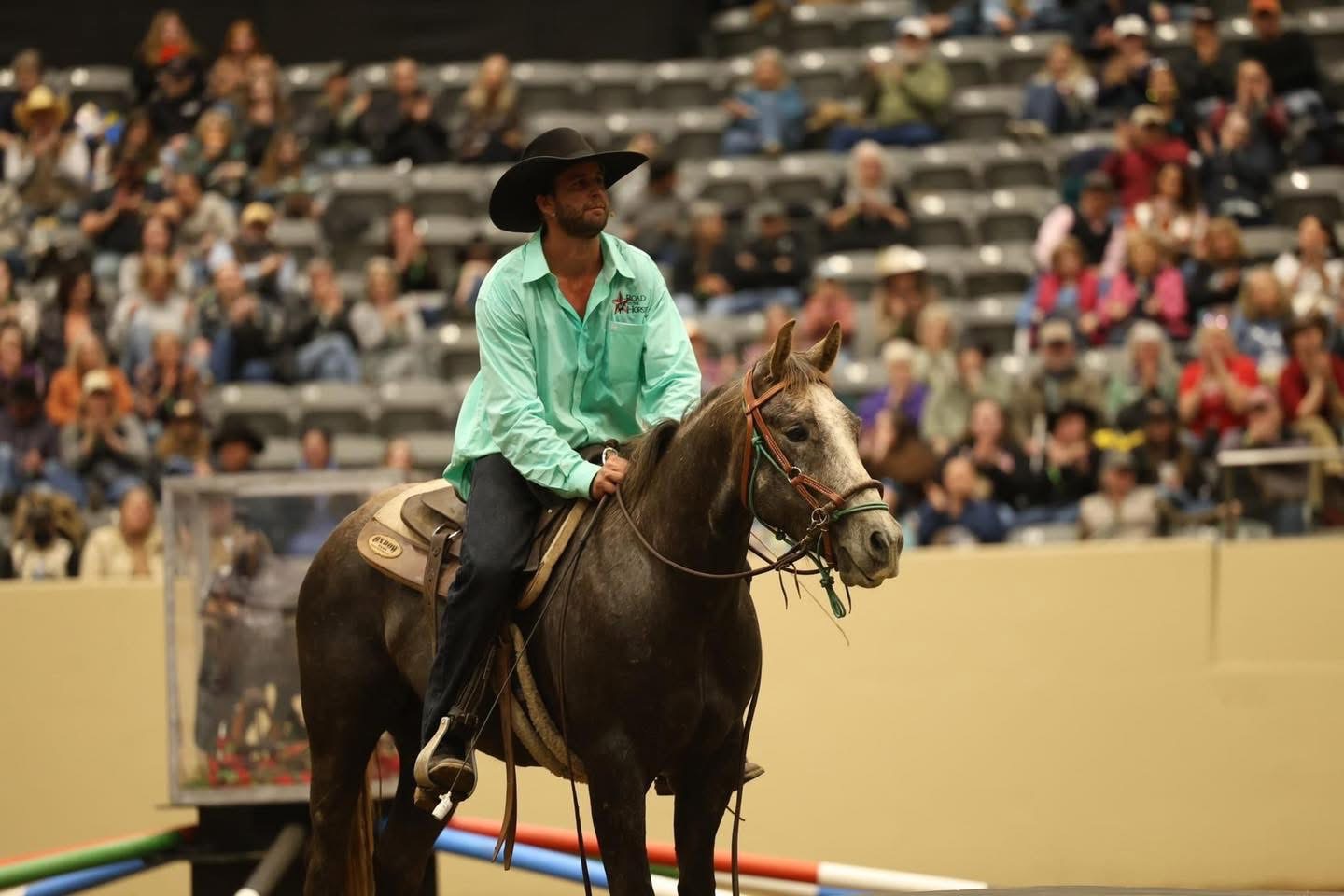
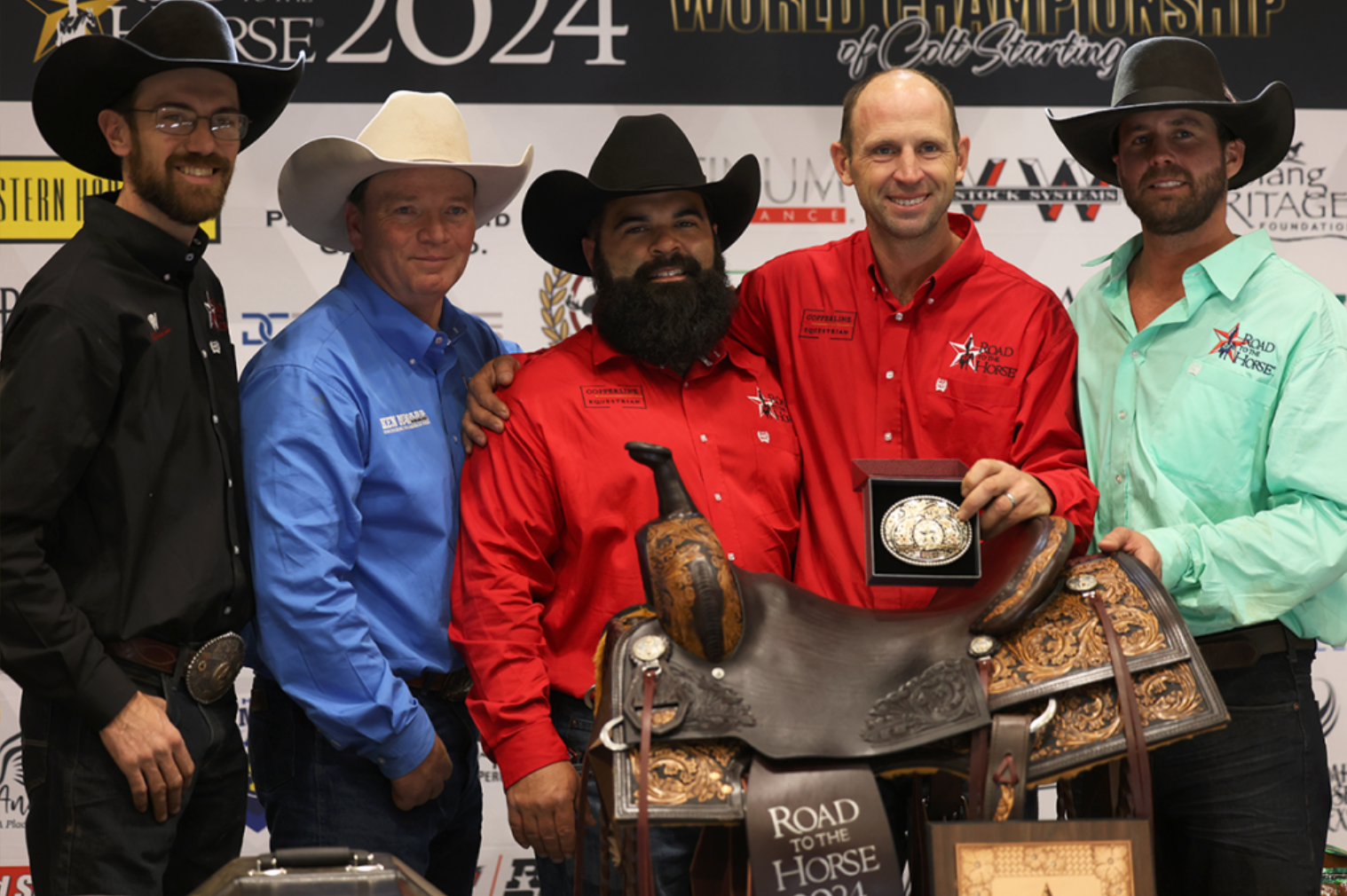
Donal took part in this year's road to the horse championships in Kentucky, USA. “It's the world championships in colt starting or horse breaking. The top horse trainers are selected to take part every year,” he said. “Usually one from Canada, one from America, and one from Australia. I was lucky enough to be chosen to represent Australia. There were 2 Americans taking part because one was a wild card. What happens is we get 3 rounds and they run in unhandled horses completely unhandled horses.” Competitors draw a number out of a hat. Donal's was a colt named Last War Cry that came from pitchfork ranch in Texas.
The 1st thing a competitor has to do is catch their horse and put a halter on it. “I just went straight into roping it because it'd take too much time catching it with just your hands,” he laughed. “I roped it and had it halted in 8 minutes. Then you go about your program to be able to get on it. You get an hour and a half the 1st day and the 2nd the same again. The 3rd day is the finals and when what you do is judged, you must show what your horse can do. There is the compulsory walk, trot and canter, all that kind of thing. And you do an obstacle course.”
Working with last war cry in such a public setting was nerve-wracking. “You've got a lot of eyes on you. They live stream you across the world and I was the rookie,” he said. “I was up against an Olympian who done Road To The Horse 6 times. I was walking in there green and very nervous.”
While he didn't win the event, he was awarded reserve champion, and the Road To The Horse Jack Brainard Horsemanship Award.
HOME WITH HORSES
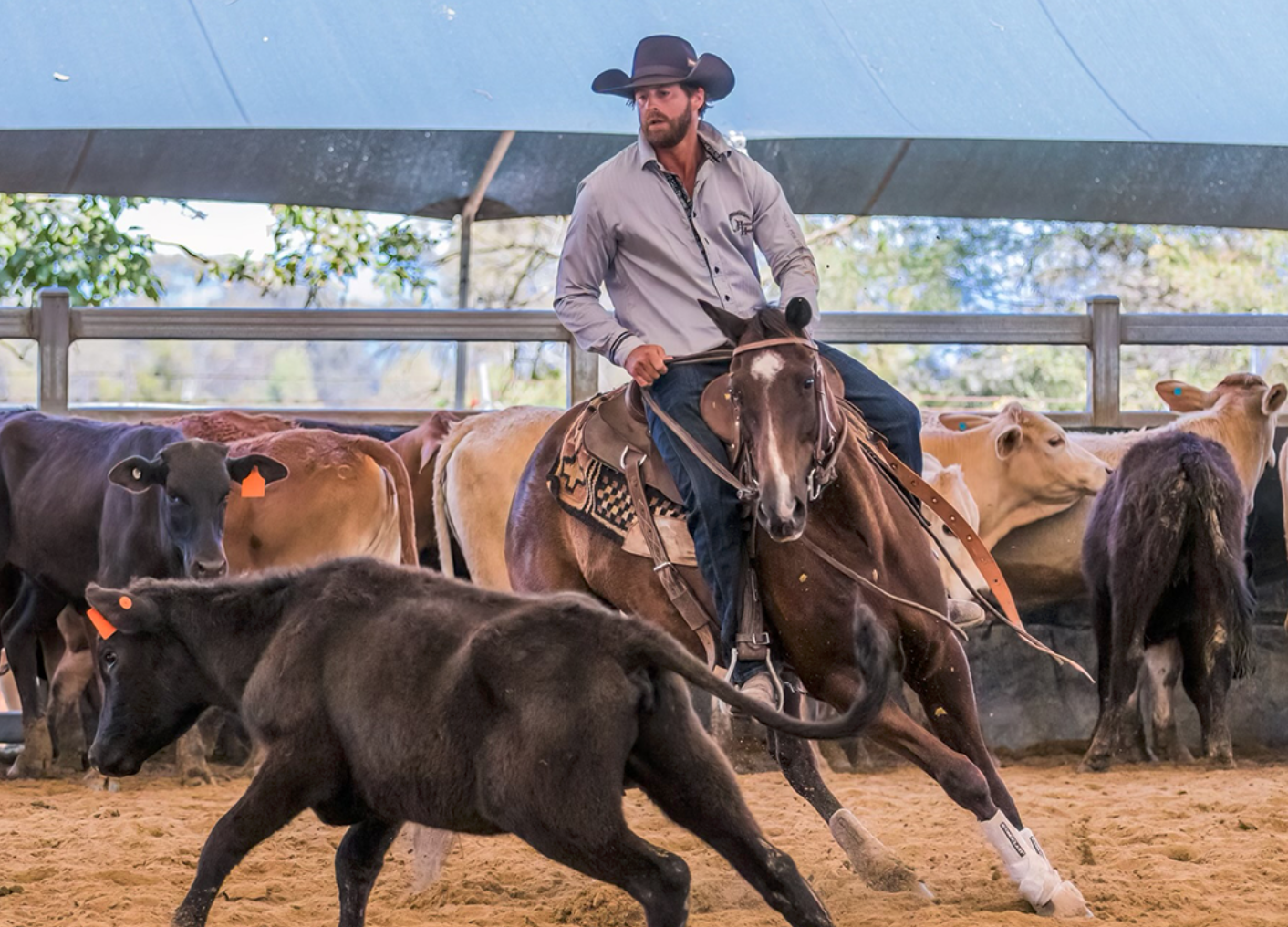
His everyday life is spent alongside his horses together, they put on entertainment and theatrical shows. “I’ve also done a bit of TV work and I'm training a team of horses up at the moment,” he said, “I’ve got one little fella I'm training up because I am into the cowhorse stuff.” He uses a discipline named Liberty with his horses. Liberty training is a method where horses can be worked or controlled without the use of restraints, reins, or halters. “They lie down, Spanish walk, and work together as a team,” he explained. “You can even stop them somewhere and send them over 100 metres. I won the first Liberty Comp held in Australia.”
While Donal's success with horses alludes to a special touch, don't call him a horse whisperer. “One of my mentors had the best way of saying it, he said, he's not a horse whisperer, he likes them to hear him loud and clear. It starts out with halters, but it's about releasing at the right time and knowing when the horse is making a decision. Slowly, the horse starts taking responsibility and making good choices.”
LARA HART (Fassifern Guardian)